
DPF Cleaning FAQ’S
What is a DPF?
A Diesel Particulate Filter (DPF) is fitted to modern diesel vehicles to capture soot and other particles from the exhaust gases. Over time, the filter can become blocked with soot and ash, which can affect vehicle performance and fuel economy.
What is DPF cleaning?
DPF cleaning is the process of removing accumulated soot, carbon and other deposits from the filter to help restore its ability to operate correctly. Professional DPF cleaning can be an effective alternative to replacing an expensive DPF, depending on its condition.
How do I know if my DPF needs cleaning?
Common warning signs include a DPF warning light on the dashboard, reduced engine performance, poor fuel economy, limp mode, increased engine temperature and difficulty completing regeneration. If your vehicle is showing these symptoms, professional diagnosis is recommended.
What causes a DPF to become blocked?
DPFs can become blocked when a vehicle is mainly used for short journeys or frequent stop-start driving. These driving conditions may prevent the exhaust from reaching the temperatures needed to burn off accumulated soot through the normal regeneration process.
Can DPF cleaning improve my vehicle’s performance?
If a blocked or restricted DPF is contributing to poor performance, cleaning may help restore exhaust flow and improve how the vehicle runs. However, the outcome depends on the condition of the DPF and whether there are other underlying faults with the vehicle.
How often should a DPF be cleaned?
There is no fixed cleaning interval for every vehicle. DPF cleaning requirements depend on factors such as mileage, driving style, vehicle type and how often the vehicle completes successful regeneration. A vehicle that regularly completes longer journeys may require less frequent professional cleaning.
Can a blocked DPF cause other problems?
Yes. A heavily restricted DPF can contribute to reduced engine performance, increased fuel consumption and repeated regeneration attempts. Continued driving with a serious DPF blockage may also contribute to other engine or exhaust system problems.
Is DPF cleaning better than replacing the DPF?
Cleaning can be considerably more cost-effective than replacing a DPF where the filter is physically sound and suitable for cleaning. However, cleaning is not appropriate for every damaged or failed DPF, so the filter should be assessed before deciding on the most suitable solution.
Can DPF cleaning remove the DPF warning light?
Cleaning can resolve a warning light when the underlying cause is a blocked or restricted DPF. However, a warning light can also be caused by sensors, EGR faults, engine issues or other problems, so diagnosis is important rather than simply cleaning the filter.
Can you clean a DPF that is completely blocked?
A severely blocked DPF may still be cleanable depending on its condition and the cause of the blockage. If the filter is physically damaged, melted or contaminated with certain substances, replacement may be required instead.
How long does DPF cleaning take?
The time required depends on the vehicle, the condition of the DPF and the cleaning method used. Some vehicles can be dealt with relatively quickly, while heavily contaminated filters may require more extensive cleaning and testing.
Does DPF cleaning help improve fuel economy?
A restricted DPF can make the engine work harder and may contribute to increased fuel consumption. Cleaning the DPF may therefore help improve fuel economy where the blocked filter is contributing to the problem, although fuel consumption can also be affected by other vehicle faults and driving conditions.
Do petrol cars have DPFs?
Traditional DPFs are designed for diesel engines. Some newer petrol vehicles use petrol particulate filters (GPFs), which perform a similar function but are designed specifically for petrol engines.
Can short journeys cause DPF problems?
Yes. Regular short journeys and low-speed driving can make it difficult for the exhaust system to reach the temperatures required for effective regeneration. This can result in soot accumulating inside the DPF over time.
What should I do if my DPF warning light comes on?
Do not ignore the warning light. Check your vehicle manufacturer’s guidance and have the vehicle assessed if the warning remains illuminated or other symptoms develop. Continuing to drive with a serious blockage can potentially lead to more expensive repairs.
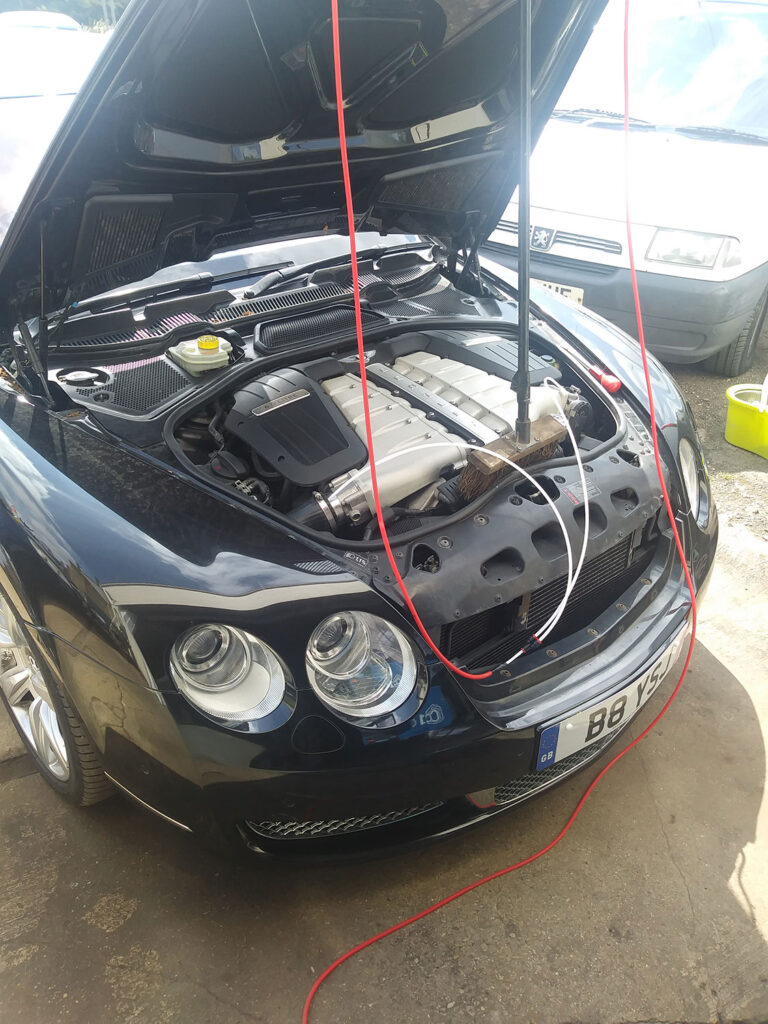
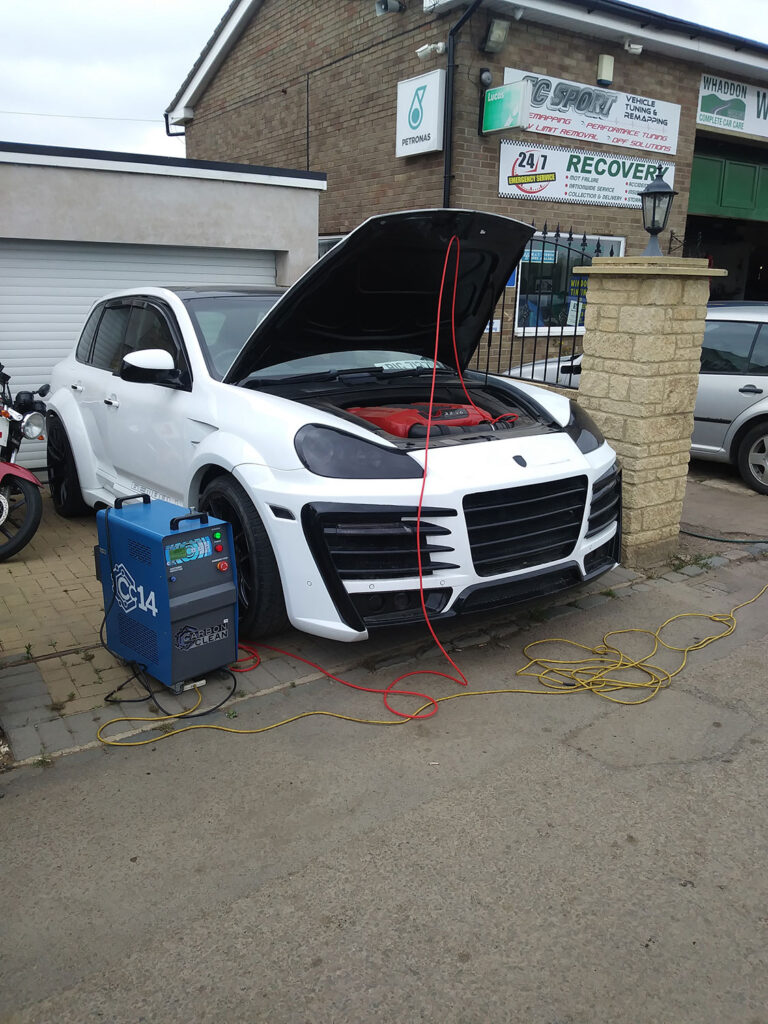
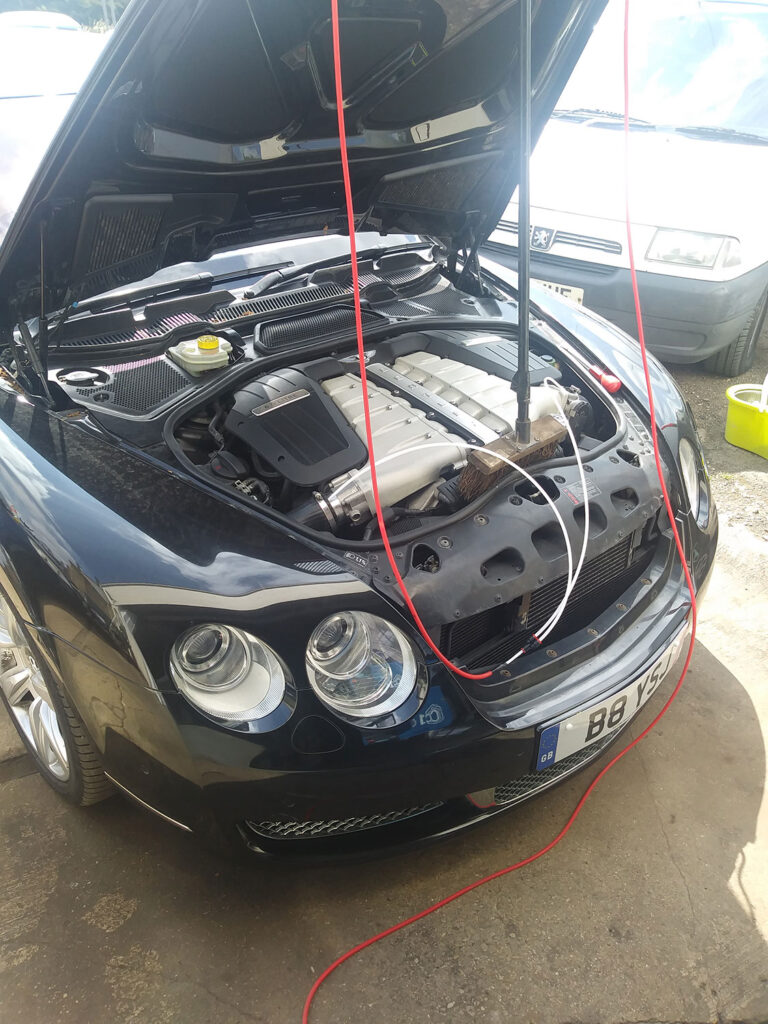
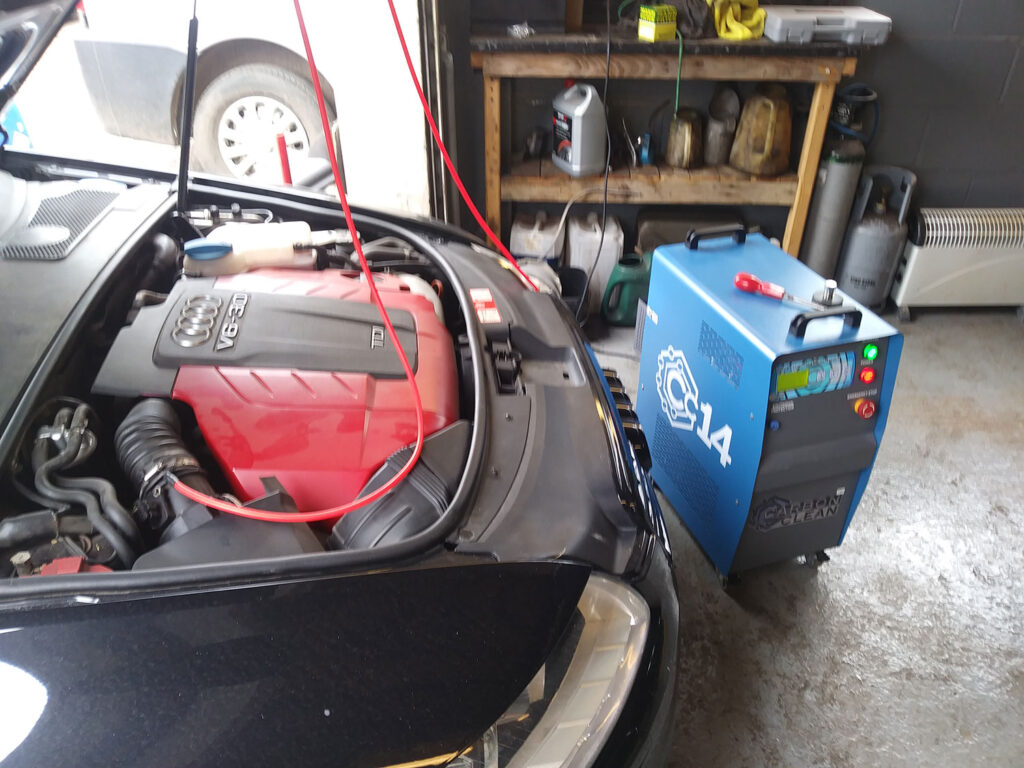
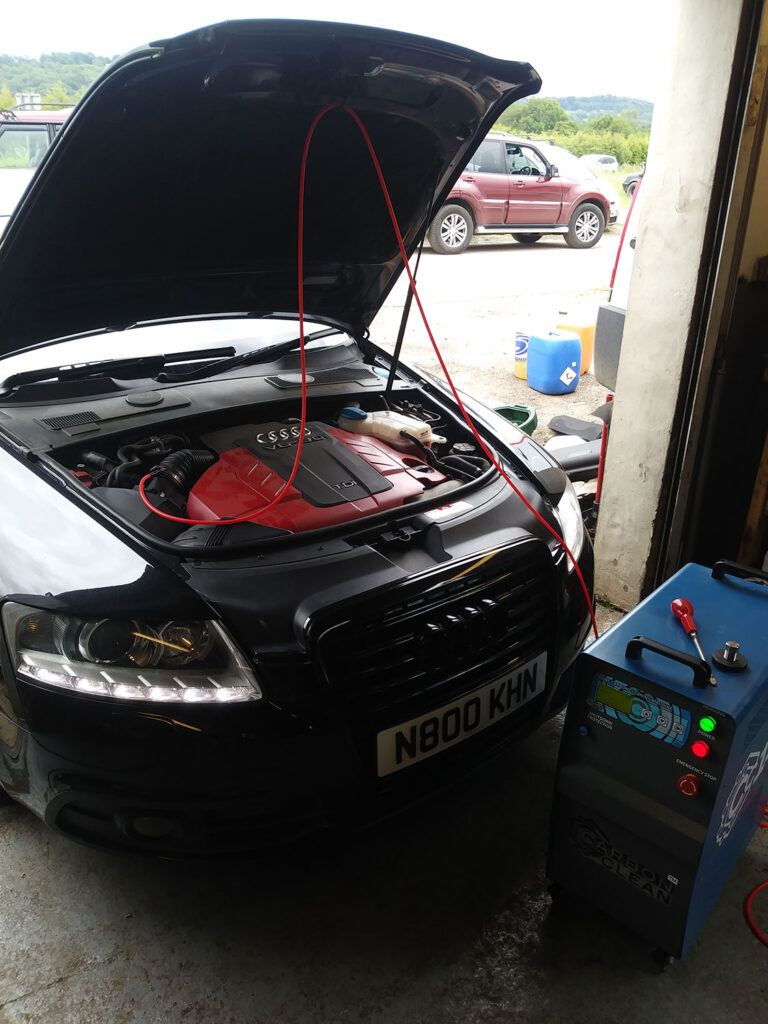
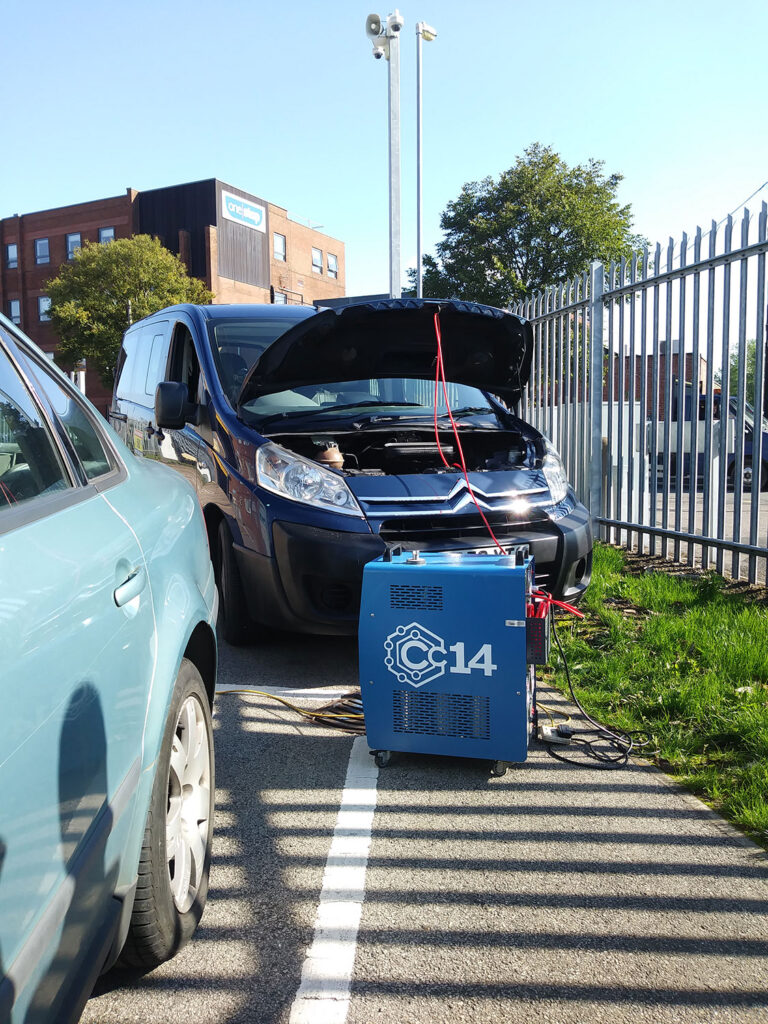
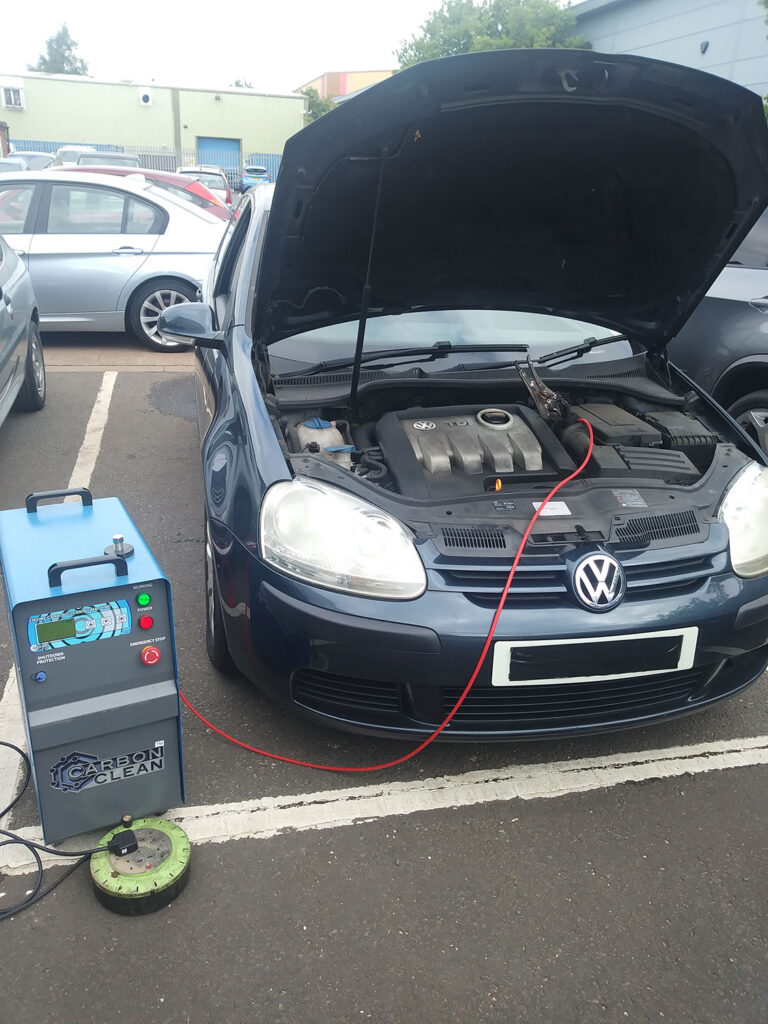
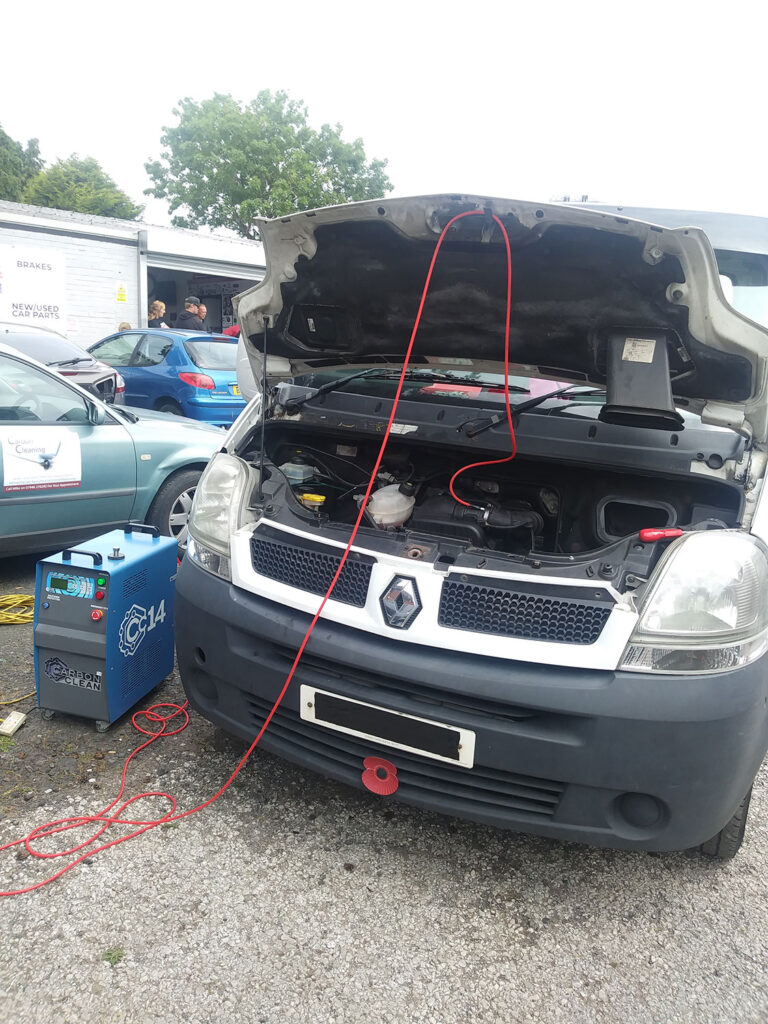
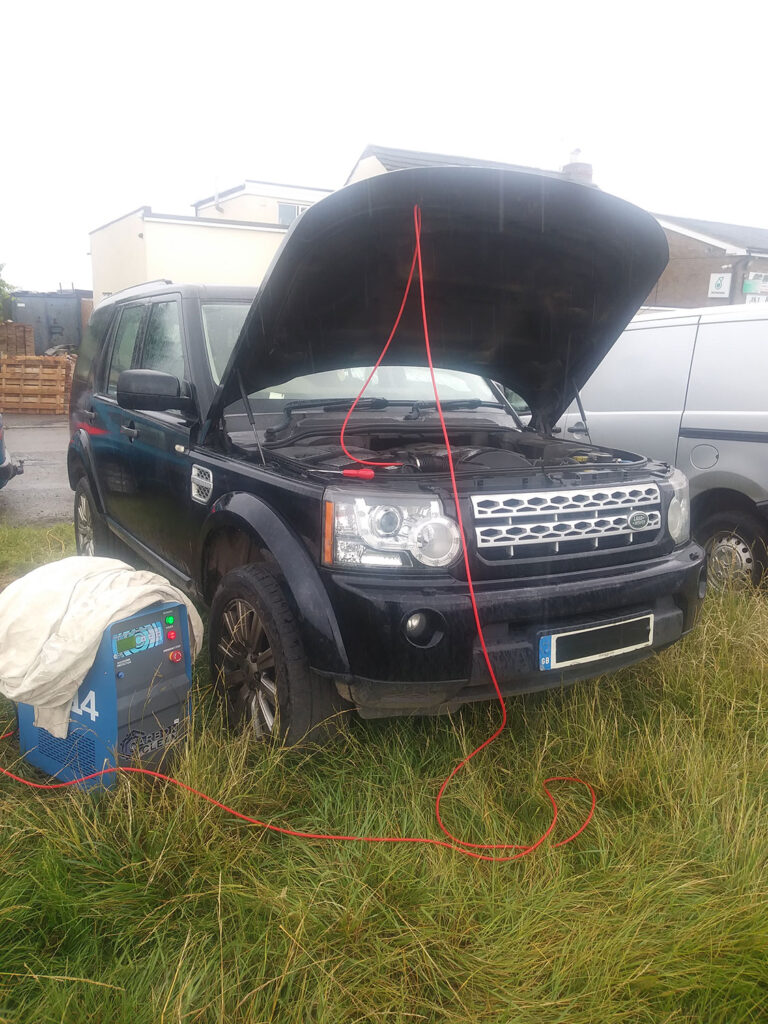
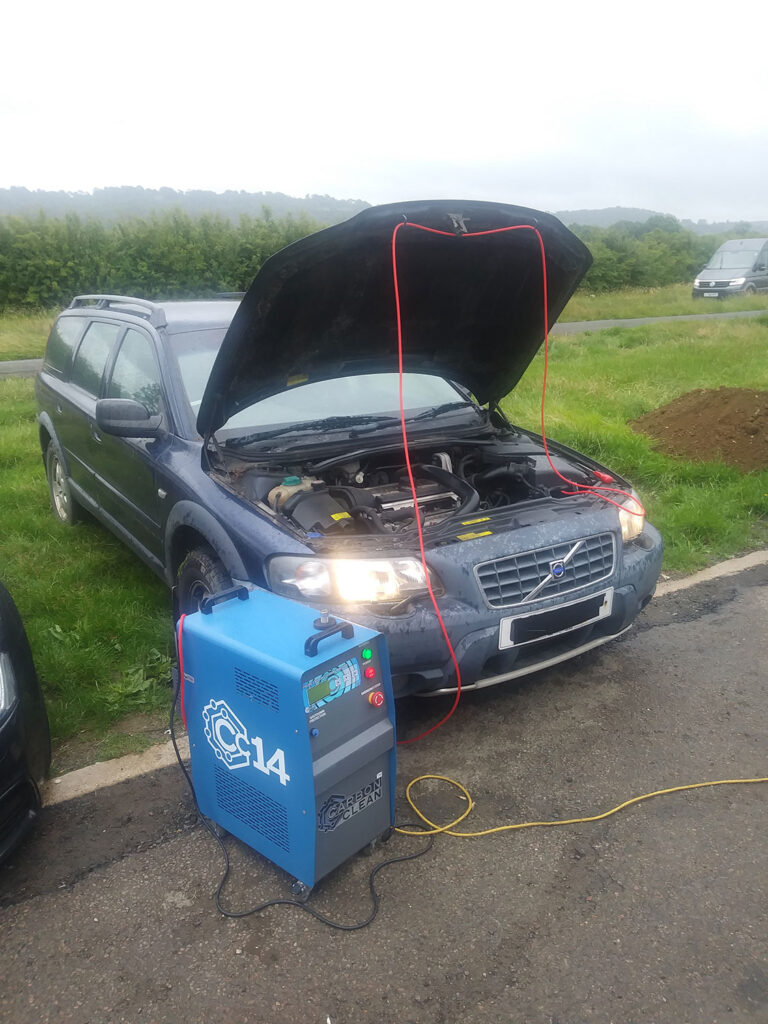
If your vehicle is showing signs of a blocked DPF or you are looking for professional carbon cleaning, contact DPF Cleaning UK today to find your local specialist.